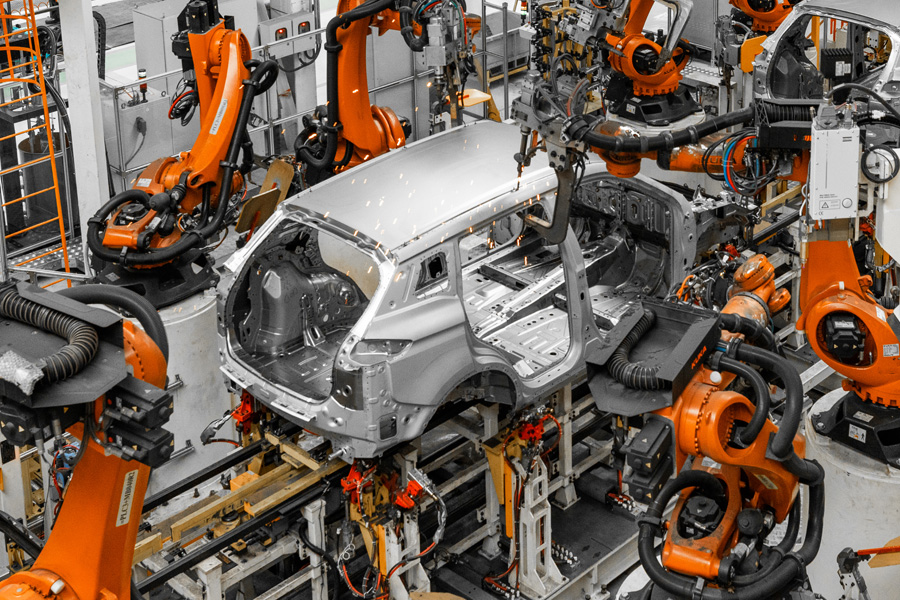
Enhancing Safety, Convenience, and Efficiency in the Automotive Industry
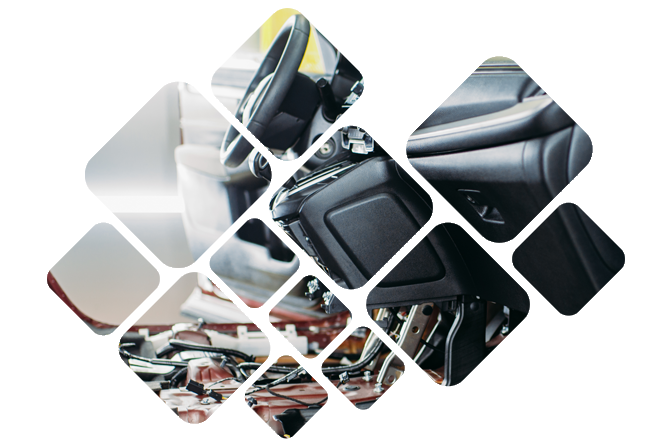
Empowering the Automotive Industry
The automotive industry is undergoing a transformation with the integration of synthetic data and computer vision, enhancing vehicle safety, autonomous driving technology, and manufacturing processes. Our platform generates crucial synthetic data for training computer vision models, ensuring privacy and compliance.

Pedestrian Detection
Analyse video streams from cameras mounted on vehicles to identify and track pedestrians, even in challenging lighting and weather conditions.

Traffic Sign Recognition
Recognise and interpret traffic signs to provide drivers with relevant alerts and assist in maintaining safe driving behavior.
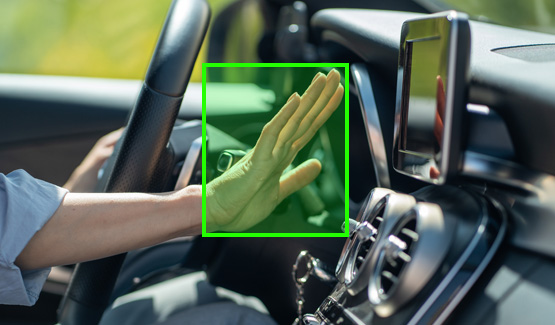
Gesture Recognition
Utilise computer vision for gesture recognition, allowing drivers to interact with in-vehicle systems without physical contact.
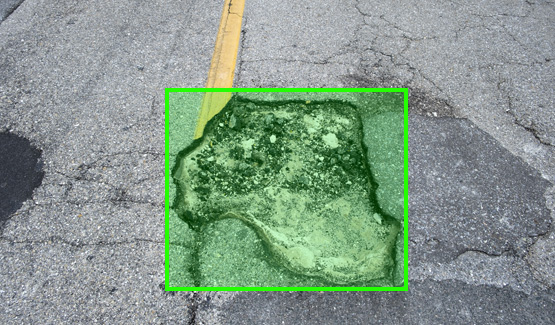
Road Condition Monitoring
Analyse images of the road surface to assess its condition, including the presence of potholes, cracks, or other defects.
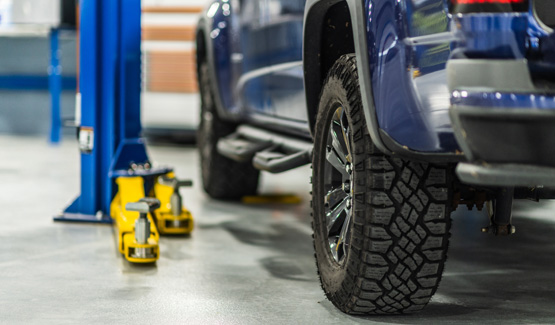
Automated Vehicle Inspection
Capture images of vehicles and analyse these images to identify any abnormalities in the vehicle's exterior or components.
Get in touch. Why wait?
Let us help you generate synthetic data on a large scale. Contact us to learn more about our platform and services we can provide!
Valuable Insights into Trends, Patterns, and Anomalies
The automotive industry utilises computer vision technology to inspect surfaces for any anomalies or imperfections, particularly in areas such as painting and part manufacturing.The syntheticAIdata Enterprise addresses a common challenge faced by many in the field: the scarcity or high cost of real-world data needed for training effective computer vision models.
By generating unlimited synthetic data, the app offers a cost-effective and flexible solution, enabling the training of models across a wide array of scenarios. This not only reduces reliance on expensive real-world datasets but also improves the versatility and adaptability of defect detection systems. As a result, automotive manufacturers can tailor their quality control processes more precisely, ensuring that their products consistently meet the high standards demanded by both the industry and consumers.