Revolutionising Urban Infrastructure with AI and Computer Vision

Transforming Urban Spaces: Computer Vision, AI Infrastructure, and Eco-Friendly Development
Computer vision significantly advances the development of smart cities, enhancing urban infrastructure, public services, and quality of life. It fosters the creation of energy-efficient buildings and safer, more comfortable, and durable living and working spaces through AI-powered infrastructures. Our platform supports this progress by generating synthetic data crucial for training computer vision models, emphasising privacy and compliance.
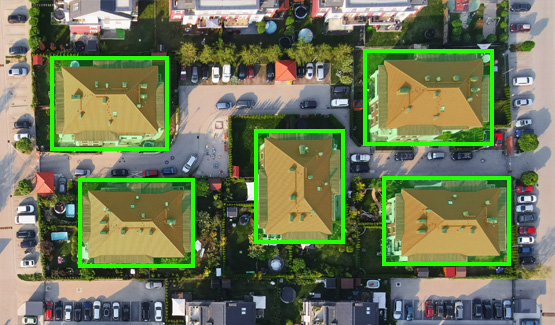
Urban Planning
Create detailed maps, identify development opportunities, and support data-driven urban planning initiatives for sustainable growth and development.
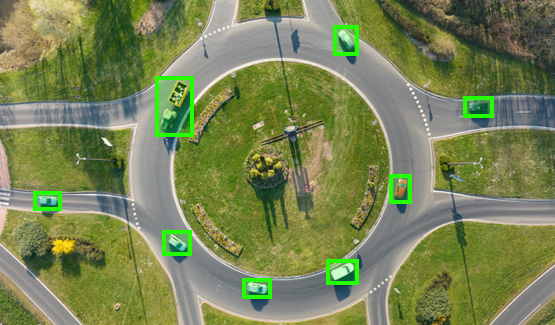
Traffic Management
Analyse real-time traffic conditions to enable adaptive traffic management systems that improve traffic flow, reduce congestion, and enhance road safety.

Infrastructure Maintenance
Cameras installed on bridges, roads, or buildings detect signs of structural damage, enabling timely maintenance interventions.
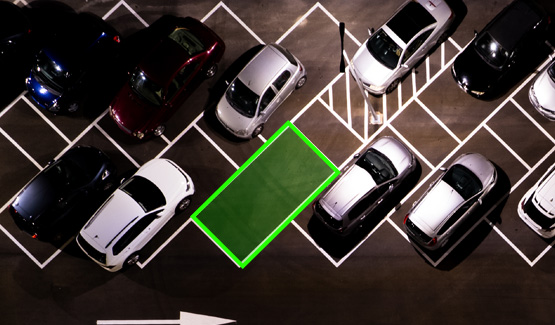
Parking Management
Provide real-time parking availability information to drivers and enable dynamic pricing or reservation systems to optimise parking utilisation.

Public Safety
Detect and track suspicious activities, identify vehicles or individuals of interest, and provide real-time alerts to law enforcement agencies.
Get in touch. Why wait?
Let us help you generate synthetic data on a large scale. Contact us to learn more about our platform and services we can provide!
Efficient Infrastructure Maintenance in Smart Cities
Computer vision technology has significantly improved the way we identify road imperfections, such as potholes, by automating the process that once required manual inspection. This approach offers numerous advantages that significantly enhance the efficiency of road maintenance. Also, Potholes are a significant hazard to all road users, leading to accidents, vehicle damage, and even injuries. Early detection and repair of potholes significantly reduce these risks, enhancing the safety and well-being of drivers, cyclists, and pedestrians.
The syntheticAIdata Enterprise advances pothole detection capabilities by incorporating advanced simulation features to generate diverse datasets to train computer vision models An additional advantage of this approach is the upholding of privacy, as the simulated data used for training does not require the collection of real-world images that might contain personally identifiable information. This ensures that while the technology advances in accuracy and efficiency, it simultaneously respects and protects the privacy of individuals, making it a responsible choice for deploying in public and sensitive areas.